April 2026
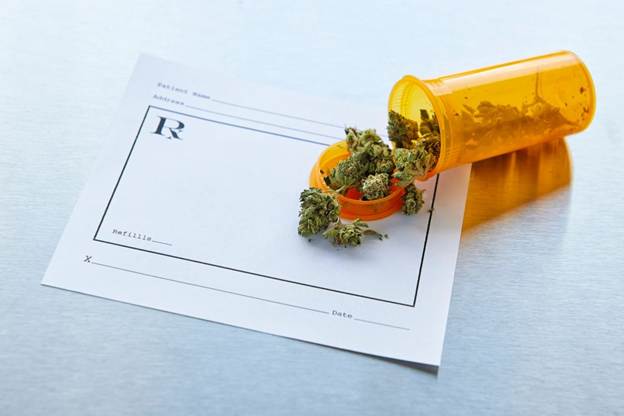
I have seen a lot of mis-information from the medical community regarding the use of Medical Marijuana. It is prescribed by a doctor, there are dosing guidelines for each patient for what they need and what their specific diagnosis is. This is a new and expanding field of medicine, but it is medicine.
Let us start with some background from the FDA and Drugabuse.gov: “The term medical marijuana refers to using the whole, unprocessed marijuana plant or its basic extracts to treat symptoms of illness and other conditions. The U.S. Food and Drug Administration (FDA) has not recognized or approved the marijuana plant as medicine. However, scientific study of the chemicals in marijuana, called cannabinoids, has led to two FDA-approved medications that contain cannabinoid chemicals in pill form. Continued research may lead to more medications.”
Why is the FDA not approving the plant? Well the simple answer is the FDA wants many more clinical trials and studies done before the whole plant is approved.
In 1985 the FDA approved a synthetic cannabis medication called Marinol whose main use was an adjunct to chemotherapy to get decrease nausea and increase appetite. The Liquid form of Marinol is Syndros. Cesamet is another synthetic THC that is classified as an antiemetic. So now we can get the real THC, without all the side-effects (Seizures, blood pressure disruption, addiction, and additional CNS depression)
There are many Clinical trials in progress and big companies making “medicine”, and so what happens now, to get Medical Marijuana from a Dispensary in a LEGAL and SAFE way?
The patient must have an approved diagnosis in their state. For the most part, you can search this online. https://www.leafly.com/news/health/qualifying-conditions-for-medical-marijuana-by-state#top
Find an approved physician who works in this area of medicine and knows if your diagnosis qualifies for medical marijuana. He/she will help you fill out all the needed forms. Be aware that most insurance do NOT pay for most of this. At this time, I was unable to find any insurance companies that pay for medical marijuana, although some will reimburse in a very limited number of cases.
Find a support group on Social Media. This is important because different dispensaries can have widely different prices and discounts. Talking to others with similar health issues is never a bad idea, but speak to the doctor before making changes to any treatment.
The patient should make a new patient appointment at the dispensary they decide on, and plan on spending at least an hour with the Specially Trained Pharmacist.
When the patient receives their paper work it will say something to the effect of: Use 1-3 times per day, pulling on the pen for 1-3 seconds (example used is for a vape pen). The dosing is very laid out and explained well, just like it is from any other Pharmacy for any other prescription. Can it be abused? Anything left in the hands of a person can be abused. Anything used for the ‘joy’ it gives you instead of the relief can be abused. I have had a client addicted to Chapstick.
There are some inert benefits that Medical Marijuana provides. We know that humans have cannabinoid receptors housed inside the body that are ready to bind with cannabinoids found in the cannabis plant to provide therapeutic benefits for a variety of ailments. In fact, cannabinoid receptors are present in humans before birth, and the compounds themselves are even found in a mother’s breast milk. Medical cannabis gains merit when you consider our bodies are naturally tuned to interact with cannabinoids, and even more so when you acknowledge the growing evidence of benefits to cannabis consumption.
The most common use for medical marijuana in the United States is for pain control. While marijuana isn’t strong enough for severe pain (for example, post-surgical pain or a broken bone), it is quite effective for the chronic pain that plagues millions of Americans, especially as they age. Part of its allure is that it is clearly safer than opiates (it is impossible to overdose on and far less addictive) and it can take the place of NSAIDs such as Advil or Aleve, for people that can’t take those medicines due to problems with their kidneys, ulcers or GERD.
In particular, marijuana appears to ease the pain of multiple sclerosis, and nerve pain in general. This is an area where few options exist, and those that do, such as Neurontin, Lyrica, or opiates are highly sedating. Patients claim that marijuana allows them to resume their previous activities without feeling completely out of it and disengaged.
Along these lines, marijuana is said to be a fantastic muscle relaxant, and people swear by its ability to lessen tremors in Parkinson’s disease. I have also heard of its use quite successfully for fibromyalgia, endometriosis, interstitial cystitis, and most other conditions where the final common pathway is chronic pain. Medical marijuana is also reported to help patients suffering from pain and wasting syndrome associated with HIV, as well as irritable bowel syndrome and Crohn’s disease. Marijuana is also used to manage nausea and weight loss and can be used to treat glaucoma. Going into Hospice or Palliative care pretty much guarantees entrance into the Medical Marijuana Program, where it is available.
A highly promising area of research is its use for PTSD in veterans who are returning from combat zones. Many veterans and their therapists report drastic improvement and clamor for more studies, and for a loosening of government restrictions on its study.
This is not intended to be an inclusive list, but rather to give a brief example of the types of conditions for which medical marijuana can provide relief. As with all remedies, claims of effectiveness should be critically evaluated and treated with caution.
As with any treatment, being open and honest with your medical provider is of paramount importance.
So, the next question is can you overdose? A fatal overdose is unlikely, but that doesn’t mean marijuana is harmless. The signs of using too much marijuana are similar to the typical effects of using marijuana, but more severe. These signs may include extreme confusion, anxiety, paranoia, panic, fast heart rate, delusions or hallucinations, increased blood pressure, and severe nausea or vomiting. In some cases, these reactions can lead to unintentional injury such as a motor vehicle crash, fall, or poisoning. The treatment of mild overdose, per most literature, seems to agree that people can “sleep it off”; however, if symptoms are frightening, seek medical attention.
Because marijuana plants come in different strains with different levels of active chemicals, it can make each user’s experience very hard to predict. Making follow-up appointments with your doctor and pharmacist are key to a beneficial experience.


Leave a comment